Tarot Cards for Beginners: What to Learn First and Where to Start
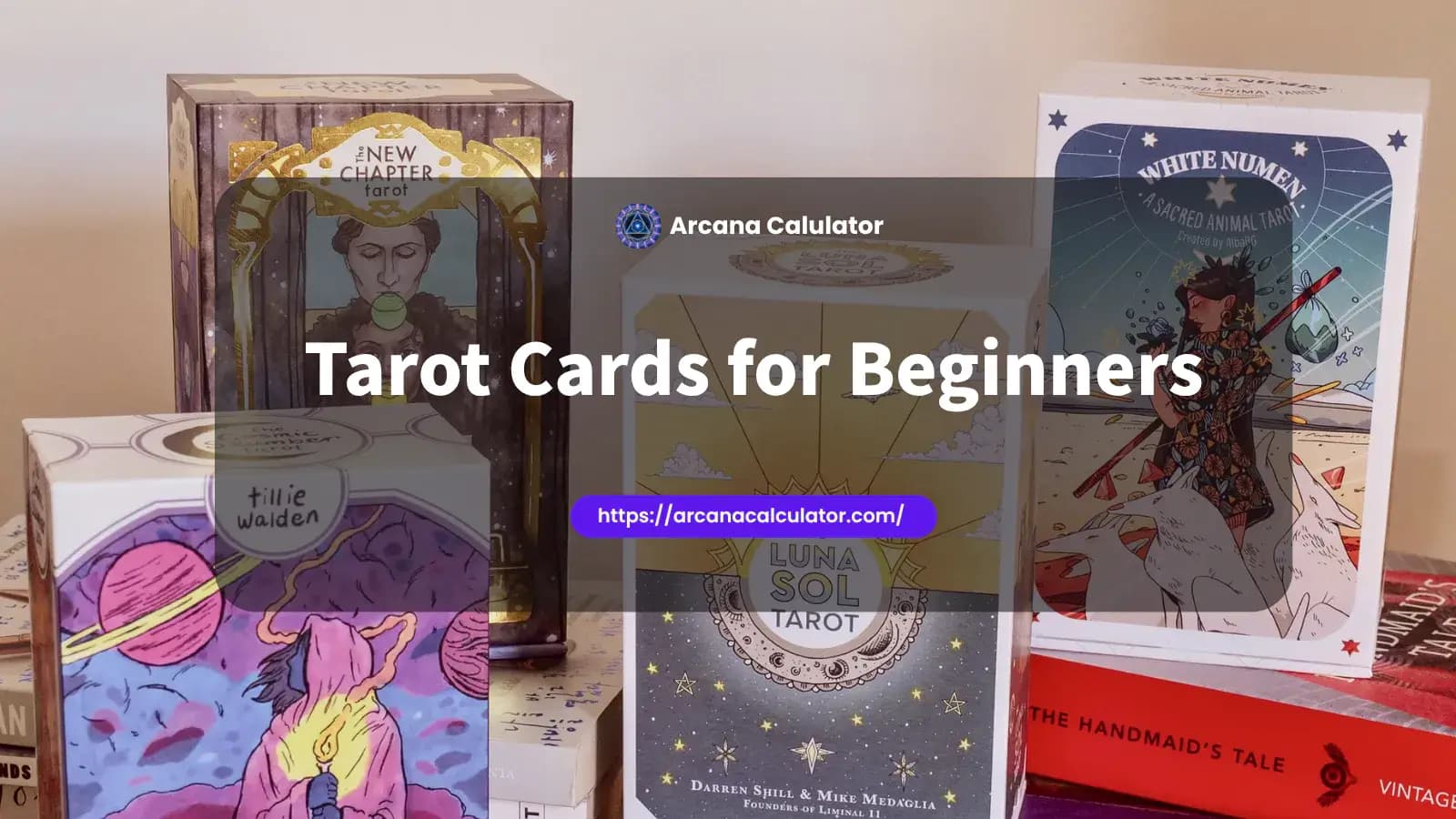
If you search for tarot cards for beginners, you usually do not want deep theory or a ten-step ritual. You want to know where to start without wasting weeks on the wrong things.
That makes this page a starting map, not a full manual. It is for the person who is new to tarot and wants to know what matters first, what can wait, and which next page will solve the next question.
If you need the definition, begin with What Is Tarot Reading?. If you want the exact workflow of a reading, go to How to Read Tarot Cards. This page stays broader than both.
What Beginners Actually Need First
Beginners do not need all 78 meanings memorized. They do not need a rare deck, a fixed ritual, or a mystical vocabulary. They need orientation.
The first useful goals are simple: understand what tarot is for, recognize the deck structure, ask a clear question, and complete a small reading without panic.
Once those basics are in place, everything else becomes much easier to absorb.
Choose One Clear Starter Deck
Your first deck should be readable, not impressive. That is why many beginners do best with a Rider-Waite-Smith style deck or another deck with clear symbolic scenes.
A visually dense or highly abstract deck can be beautiful, but it often makes the first learning curve steeper than it needs to be.
One familiar deck used repeatedly will teach you more than three new decks opened in one month.
Learn the Structure Before the Meanings
Tarot gets easier once you understand the skeleton of the system. A standard deck has 78 cards divided into the Major Arcana and Minor Arcana.
The Major Arcana usually carries larger lessons and turning points. The Minor Arcana is closer to daily life and breaks into suits that help you recognize emotional, mental, practical, and active themes.
That overview matters more than memorizing isolated keywords, because structure gives every card a context before you even begin interpreting.
Start With a Small Reading Routine
Your first practical routine should be small enough that you actually repeat it. The easiest options are a one-card draw or a three-card spread.
A one-card draw helps you get used to imagery and tone. A three-card spread teaches you how positions change meaning. That is enough to begin developing real reading skill.
If you want the exact step-by-step flow, use How to Read Tarot Cards.
Common Beginner Mistakes
- Trying to learn everything before doing any reading
- Buying multiple decks before learning one clearly
- Asking vague questions and expecting precise answers
- Pulling extra cards just because the first answer feels uncomfortable
- Treating tarot as prediction before learning reflection and context
Most beginner frustration comes from pace, not lack of talent. The process works better when you make it smaller.
A Simple Roadmap for What to Learn Next
After this beginner overview, the next step depends on the question you are really asking.
- For definition: What Is Tarot Reading?
- For theory: How Tarot Cards Work
- For one full reading: How to Read Tarot Cards
- For everyday application: How to Use Tarot Cards
- For long-term practice: How to Start Reading Tarot
That is what this page is for: not replacing every other page, but sending beginners to the right next answer.