Arcana Meaning: Why Tarot Archetypes Still Fascinate Us
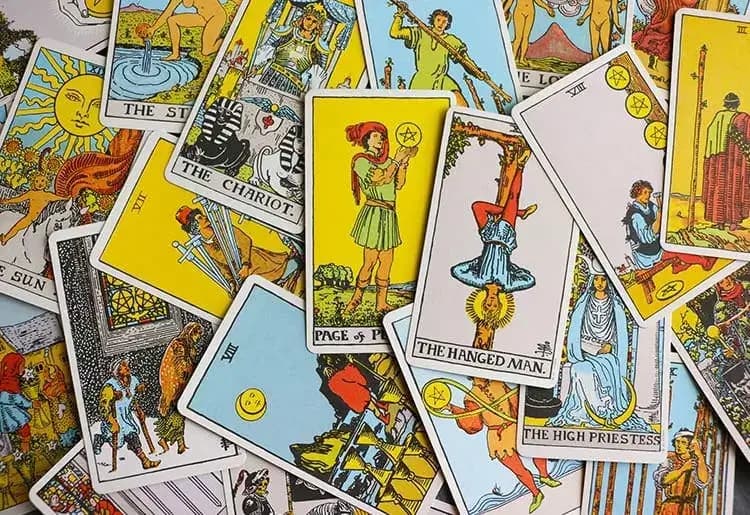
The word arcana has always carried a sense of mystery. It comes from the Latin word arcanum, which simply means “secret” or “hidden knowledge.” Long before tarot cards became popular online, the idea of arcana referred to truths that were not immediately visible — insights that had to be discovered through symbols, stories, and experience.
Today, most people encounter the word through tarot. Yet the real arcana meaning goes much deeper than a deck of cards used for prediction. In many ways, arcana is better understood as a symbolic language — one that tries to describe patterns of human experience.
When people see tarot images like The Fool, The Hermit, or The World, something about them often feels strangely familiar. Even without knowing the official interpretation, the symbolism still resonates. That reaction is part of what has kept the arcana tradition alive for centuries.
The Two Layers of Arcana in Tarot
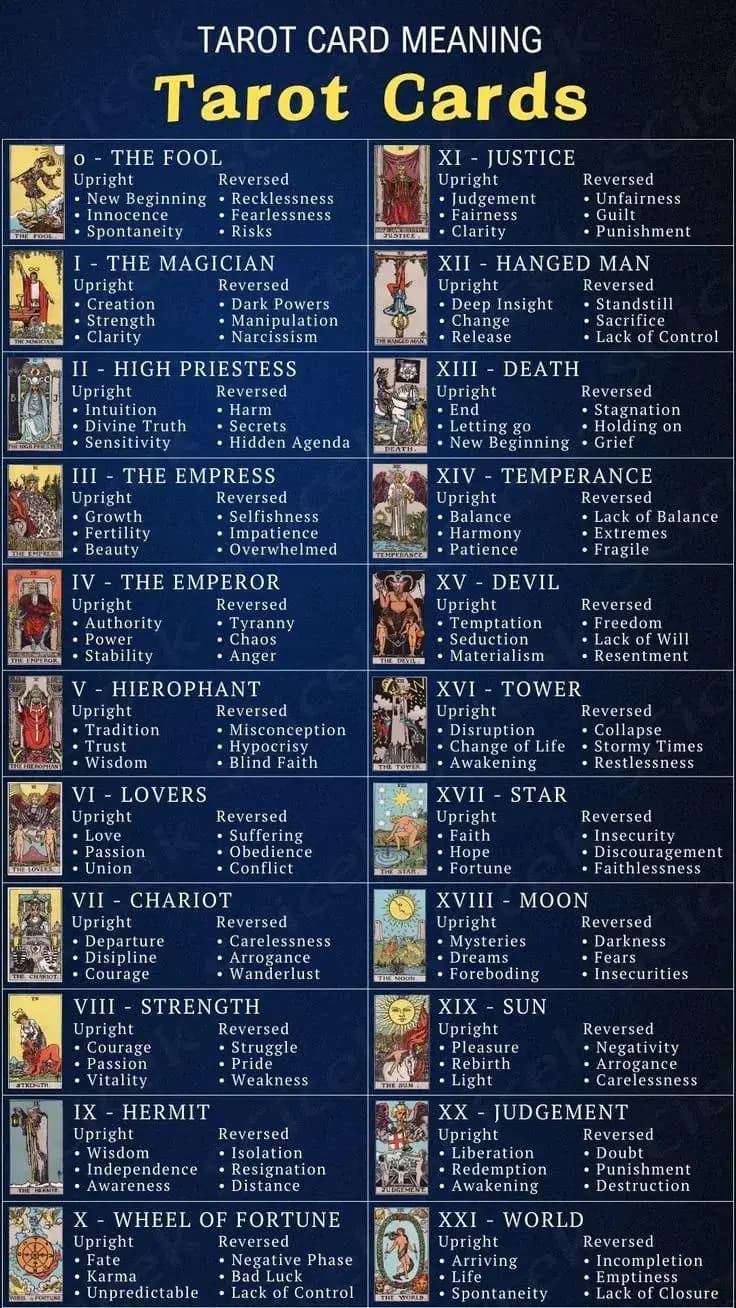
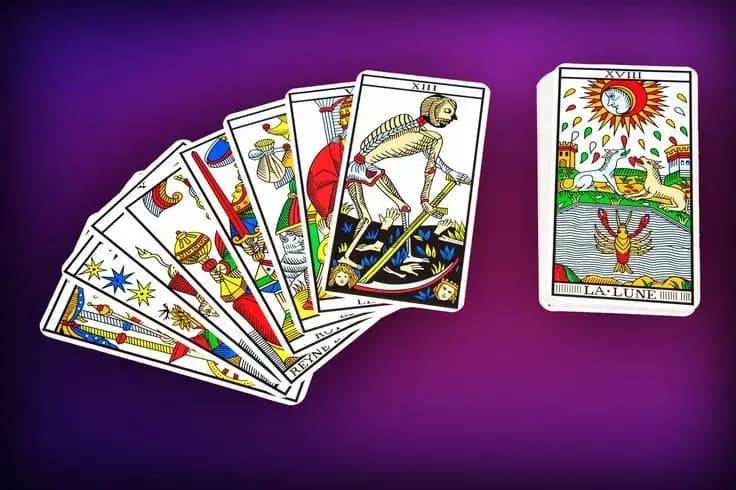
A traditional tarot deck contains 78 cards, divided into two groups: the Major Arcana and the Minor Arcana.
The Minor Arcana deals with everyday situations — relationships, decisions, challenges, and small turning points. They represent the kinds of moments that appear and disappear as life moves forward.
The Major Arcana, however, operates on a completely different level. These 22 cards describe broader life themes: transformation, ambition, uncertainty, growth, and fulfillment. Instead of focusing on daily events, they capture moments that feel like chapters in a larger story.
Cards such as The Magician, The Lovers, and Death are not meant to describe literal events. Instead, they represent forces that appear repeatedly in human life — the urge to create, the need to choose, or the experience of letting something end so something else can begin.
The Arcana as a Story of Human Growth
One of the most interesting ways to understand arcana meaning is through what tarot scholars call “The Fool’s Journey.”
In this interpretation, the Major Arcana cards form a narrative. The journey begins with The Fool, a symbol of curiosity and possibility. The Fool has no map, but steps forward anyway.
- • Along the path, different archetypal characters appear.
- •The Magician represents the discovery of personal power.
- • The Emperor symbolizes structure and authority.
- • The Hermit reflects introspection and the search for wisdom.
Later in the sequence, more dramatic forces appear — The Tower, which represents disruption, and The Star, which suggests hope after chaos.
Seen together, the cards mirror the rhythm of life itself: moments of progress, confusion, rebuilding, and eventual clarity.
This narrative quality is one reason arcana symbolism has remained relevant even in modern culture. These archetypes resemble the same patterns we see in myths, novels, and films.
In many readings, The Emperor arrives before The Hermit, showing how structure can lead into deeper reflection.
Why Arcana Archetypes Feel So Universal
Psychologists have often pointed out that certain symbols appear repeatedly across cultures. Carl Jung described these recurring images as archetypes — patterns that exist in what he called the collective unconscious.
Whether someone studies tarot or not, they already understand many of these symbols instinctively. A wise old figure, a sudden disaster, a journey toward enlightenment — these motifs appear in stories around the world.
The Major Arcana cards simply give these patterns a visual form.
Because of this, people often feel that arcana interpretations are “surprisingly accurate.” In reality, the system works because it reflects experiences almost everyone encounters: ambition, loss, growth, uncertainty, and renewal.
The Connection Between Arcana and Numbers
Another layer of arcana meaning lies in its connection to numerology.
Each Major Arcana card is associated with a number, and those numbers carry symbolic significance. For example, The Magician is numbered one, representing initiative and creation. The Wheel of Fortune, numbered ten, reflects cycles and the changing nature of circumstances.
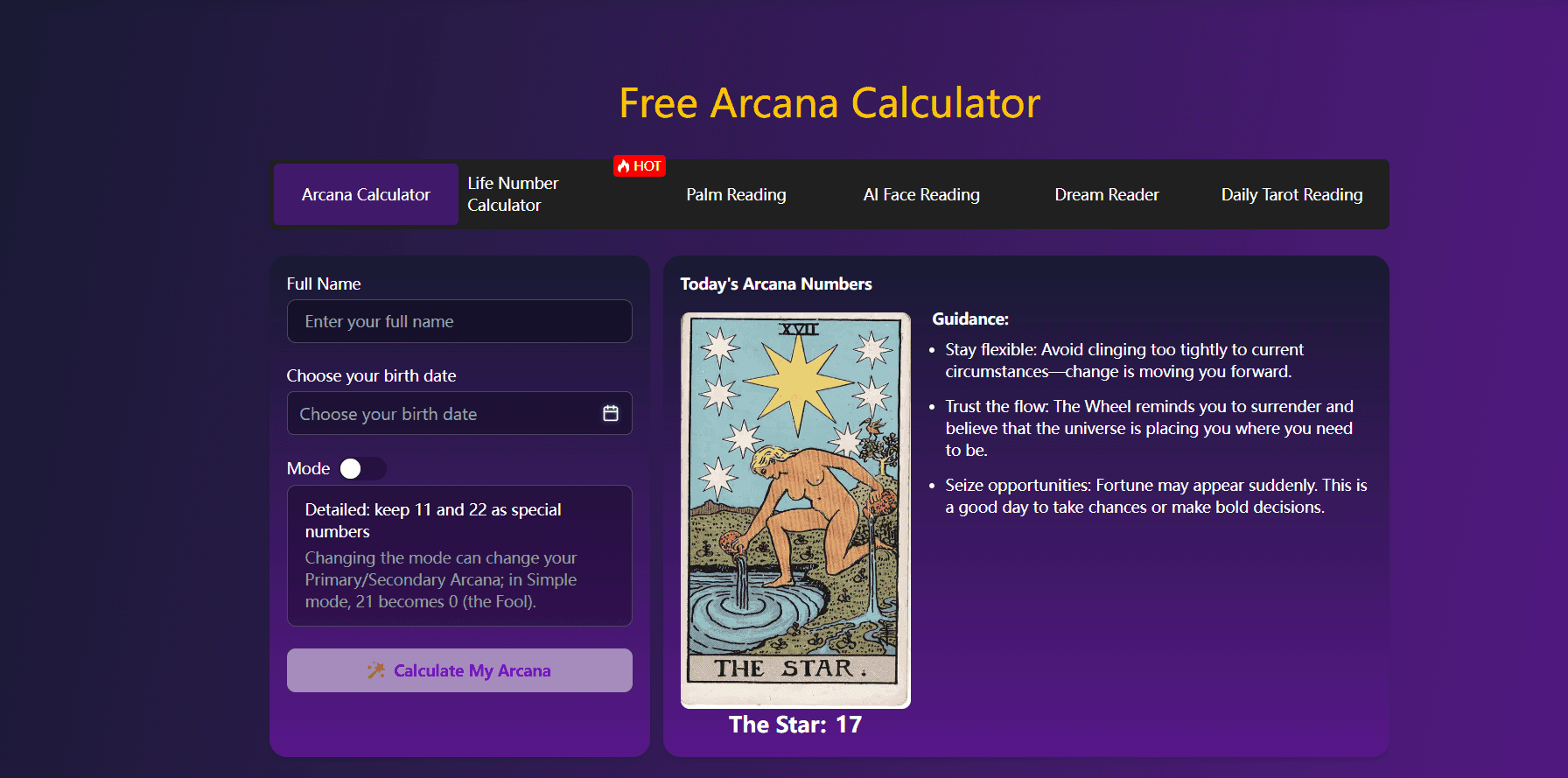
This relationship between numbers and archetypes eventually led to the idea that individuals might also have a personal arcana, derived from their birth date. The resulting number corresponds to a tarot archetype that may reflect recurring themes in a person’s personality or life direction.
For people curious about exploring this idea, tools such as an Arcana Calculator can estimate which Major Arcana archetype aligns with a specific birth date.
Arcana Meaning in the Modern World
Despite its ancient symbolism, arcana has never really disappeared from modern culture. The imagery appears everywhere — in movies, literature, video games, and visual art. Even people who have never touched a tarot deck often recognize cards like The Fool or Death.
Part of the reason is simple: the arcana system tells stories about change. It speaks about the excitement of beginning something new, the discomfort of uncertainty, and the satisfaction that comes from reaching a sense of completion.
Those themes are timeless.
So while tarot cards may look mysterious, the arcana meaning behind them is surprisingly human. They remind us that life is rarely a straight line. Instead, it unfolds more like a series of chapters — each one shaped by the same archetypal forces people have been describing for centuries.